
How to Effectively Manage a Company's Brand Portfolio to Strengthen Business Competitiveness
Jun 5, 2026

In highly competitive markets, business success is not determined only by product quality or price. Many companies achieve lasting advantage through the strength of the brand they build over time. This added brand value is what we know as brand equity.
Companies with strong brand equity are often able to command higher prices, retain customers more effectively, and defend their market position. Interbrand and other global studies consistently show that strong brands contribute materially to business value.
Still, many companies focus too heavily on short term promotions while neglecting long term brand building. When marketing efforts are not integrated with a coherent brand strategy, customer perception becomes inconsistent and loyalty becomes difficult to sustain.
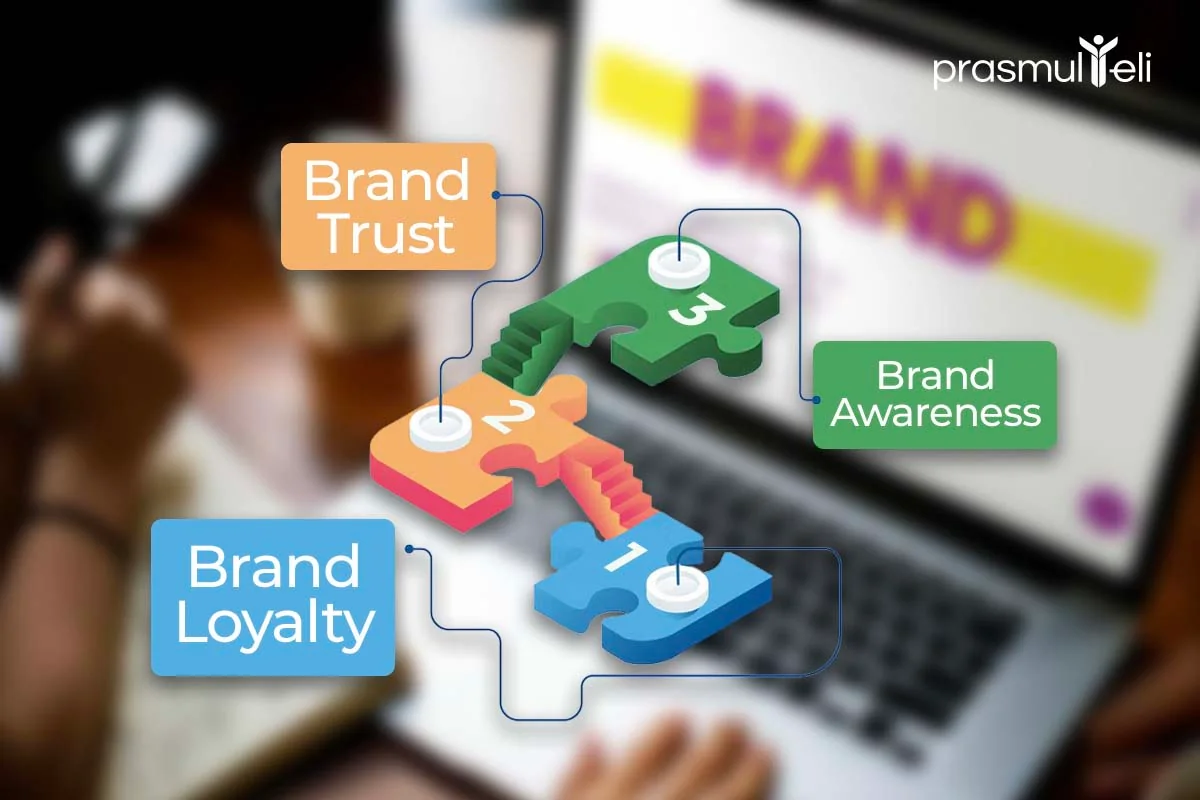
One of the greatest advantages of brand equity is its ability to build trust. Customers are more likely to choose brands they know and believe in than brands with weak or uncertain reputations.
Strong brand equity creates emotional attachment. Customers do not just buy the product. They develop a relationship with the brand. This relationship increases repeat purchase, advocacy, and long term business stability.
In markets full of similar products, brand equity helps a company stand out. It gives customers a clear reason to choose one brand over another, whether that comes from premium quality, innovation, service, or a distinct set of values.
This kind of differentiation reduces dependence on price competition. Customers become willing to pay more when they trust the brand and perceive meaningful value in it.
Brand awareness refers to how familiar customers are with a brand. The stronger the awareness, the greater the chance that customers will consider the brand when making a purchase decision.
Companies typically build awareness through advertising, digital channels, sponsorships, and public relations. However, awareness alone is not enough. It needs to be followed by positive perception.
Perceived quality reflects how customers judge the quality of a product or service. In many cases, this perception has a stronger influence on customer behavior than technical product specifications.
Companies can strengthen perceived quality through product innovation, service improvement, and consistent delivery on brand promises. Strong perceived quality supports loyalty and premium positioning.
Brand associations are the images, ideas, and meanings that come to mind when customers think about a brand. Apple is associated with innovation and design, while Nike is associated with sport, drive, and inspiration.
Positive associations strengthen brand image and make the brand more attractive in the market.
Brand loyalty reflects the degree to which customers continue choosing the same brand and recommend it to others. Strong loyalty improves business stability and reduces the cost of acquiring new customers.
Loyalty is usually the result of consistent experience, trust, and an emotional connection built over time.
A strong brand requires consistency across every marketing channel. Visual identity, tone of voice, and brand values need to remain aligned so customers receive a unified brand experience.
Modern brand management depends heavily on customer data. By understanding customer behavior, preferences, and expectations, companies can create more relevant and personalized brand experiences.
Brand equity cannot be developed in isolation. The brand needs to reflect the company's larger purpose, value proposition, and business direction. When brand and business strategy move together, the company becomes more competitive and more credible.
Brand equity is not simply a marketing asset. It is a strategic business asset that strengthens loyalty, sharpens differentiation, and supports long term enterprise value.
With the right brand management strategy, companies can build equity that remains strong and sustainable. For professionals who want to deepen their understanding of branding and brand equity management, prasmul-eli offers the Strategic Brand Management program to support stronger strategic capability.



INSIGHT AND KNOWLEDGE
RECOMMENDATION ARTICLES


