
How to Become Assertive in the Workplace
Sep 11, 2026

In complex professional environments, understanding yourself is one of the most important foundations for effective leadership. Many organizations now recognize self-awareness as a core competency because leaders who understand how they think, communicate, and decide tend to manage teams more effectively.
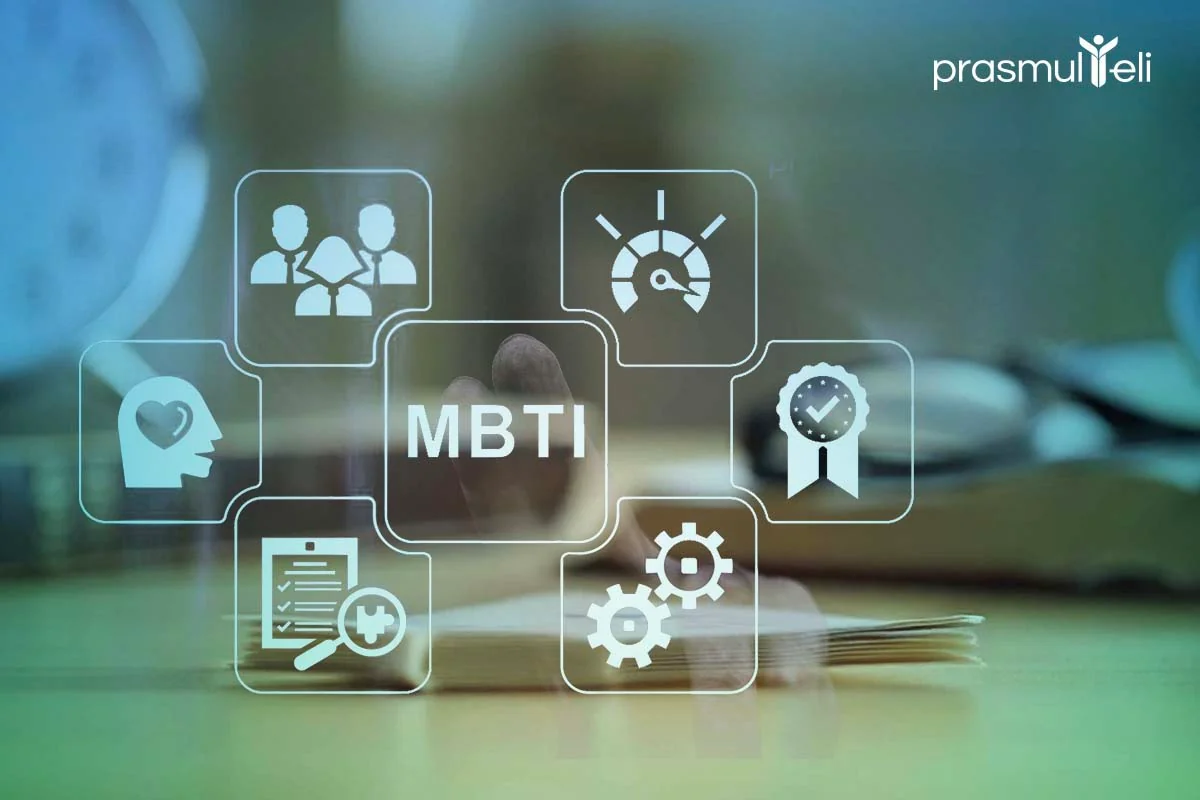
One of the most widely used tools for this purpose is the Myers-Briggs Type Indicator, or MBTI. MBTI helps individuals understand their preferences in how they gain energy, process information, make decisions, and organize their work.
This dimension explains where a person draws energy from. Extraverts tend to gain energy from interaction, discussion, and external activity. Introverts tend to recharge through reflection and quieter, more focused settings.
This dimension describes how people take in information. Sensing types prefer facts, details, and tangible evidence. Intuitive types look for patterns, possibilities, and future-oriented ideas.
This dimension relates to decision making. Thinking types rely more heavily on logic and objective analysis. Feeling types place stronger emphasis on values, relationships, and human impact.
This dimension explains how people approach structure and planning. Judging types prefer order, deadlines, and predictability. Perceiving types are more flexible, adaptive, and open to changing circumstances.
The first step is understanding your own type. Knowing your four-letter preference pattern does not limit your potential. It helps you understand your natural tendencies more clearly.
Each MBTI type has its own strengths and common blind spots. Some people may need to improve empathy and relational awareness, while others may need to strengthen analytical or decision-making discipline.
MBTI can help leaders adjust their communication style, delegation approach, and team management practices. It is especially useful for recognizing why different people respond differently to the same situation.
Within organizations, MBTI is often used to improve team collaboration and reduce interpersonal friction. It helps team members understand different working styles, communication preferences, and decision patterns.
When used appropriately, MBTI can also help create more balanced teams by bringing together complementary strengths.
Understanding yourself through MBTI is an important step toward stronger self-leadership. It helps you improve communication, increase self-awareness, and work more effectively with others.
For professionals who want to deepen this journey, prasmul-eli offers the Self Leadership: Personality Perspective program to help participants understand personal potential more strategically and develop leadership from within.


INSIGHT AND KNOWLEDGE
RECOMMENDATION ARTICLES


